Missed Design, Uneven Hospitality, and a Modest Discount After a Hurt Nail at The Gulch Nail Bar
March 28, 2026

Photo: Photo: Pexels
A client and her boyfriend visited The Gulch Nail Bar twice and came away with the same impression both times. Her account touches on three themes that matter in any salon: whether the team can deliver a design it has agreed to, whether every guest receives the same warm welcome, and how a price adjustment is handled when a service falls short. It is a useful case for teams that want repeat clients to feel valued from the first visit.
Agreeing to a Design the Team Can Deliver
On her first visit, the client showed a photo of a basic nail art design, and the team member said it could be done and quoted a price. The client agreed, but the team was then unable to produce the design she wanted. She was gracious about this part and said she was not upset about the design itself. On the second visit, she asked for a similar set, was again told it could be done, and again the result did not match.
The takeaway is about the moment of agreement. Before quoting a price, it helps for a technician to study the photo closely and confirm the shape, finish, and detail level are within the team's skill and the time available. If any part of the look is out of reach, offering a close alternative at the start lets the client decide with clear information. Saying "we can do something similar" is far easier to hear than discovering midway that the original plan will not work.
Hospitality That Feels the Same for Everyone
The client said that on both visits, no one offered her and her boyfriend water or wine, while she observed other guests being offered drinks. She described how much this affected her, and she felt the difference was connected to her and her partner's background. This is her perception, and it deserves to be taken seriously, because small courtesies are often the first thing guests notice about how welcome they are.
A reliable way to protect against any gap, intended or not, is to make hospitality a routine instead of a judgment call. A simple standard can help, such as offering every guest a drink and a seat within a few minutes of arrival, and having the front desk follow the same script for each person. When the offer is built into the process, every client receives it and no one is left wondering why they were skipped.
Handling Price Adjustments With Care
The client also reported that her nail was hurt during the second visit. She said the team acknowledged the design could not be completed and reduced the price from $150 to $140. She felt a $10 reduction did not reflect the situation.
When a service falls short or a client is uncomfortable, a fair adjustment is most effective when it is explained, proportionate, and offered with real concern for how the client is feeling. A manager can ask what would feel fair, check on the affected nail, and decide quickly. A small number offered without explanation can sound like a formality, while a clear and thoughtful gesture can keep a relationship intact even after a rough visit.
Editorial Perspective
Several lessons stand out. First, confirm that a design is achievable before quoting a price, and propose an alternative early if it is not. Second, make a welcome drink and a warm greeting part of every visit, so hospitality is the same for each guest. Third, check on a client right away if a nail or finger is hurt, and ask how she is feeling before discussing money. Fourth, explain price adjustments with care and let a manager decide what is fair. Finally, remember that returning clients are watching for improvement, so a second visit is a chance to show that feedback and consistency matter.
This account reflects the customer's own description of her experience, including the reported lack of drink offers, the reported nail injury, and her view of the pricing, and is shared here for training and educational purposes rather than as a verified finding.
Comments
Loading comments…
Related Stories
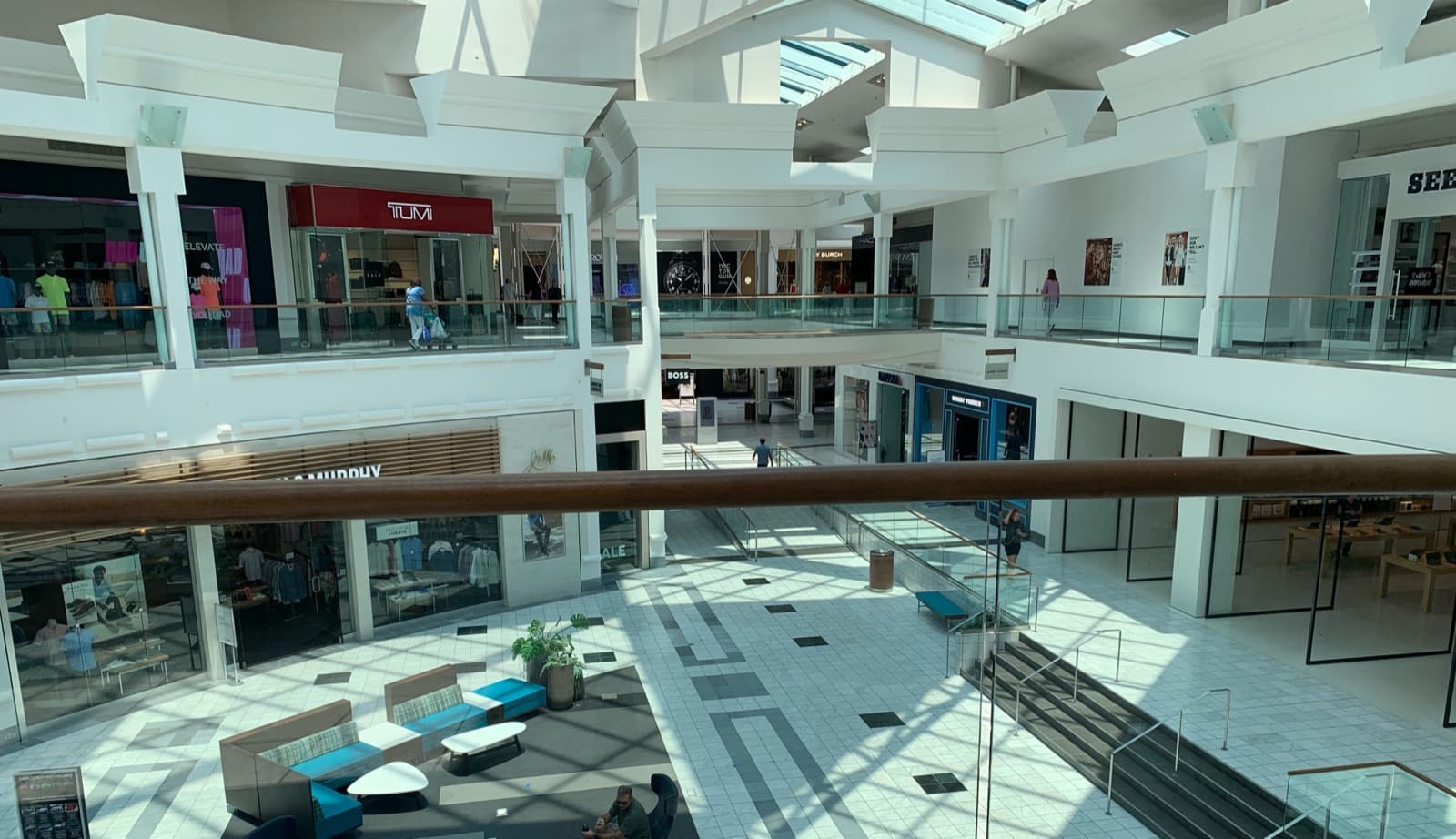
Dillard's Green Hills Hosts 'Sip and Shop' With a Dior Makeup Trend Show to Benefit the Horticultural Society
The Sept. 27 morning event at The Mall at Green Hills pairs vintage designer handbags with a Dior makeup trend presentation and benefits the Horticultural Society of Middle Tennessee.
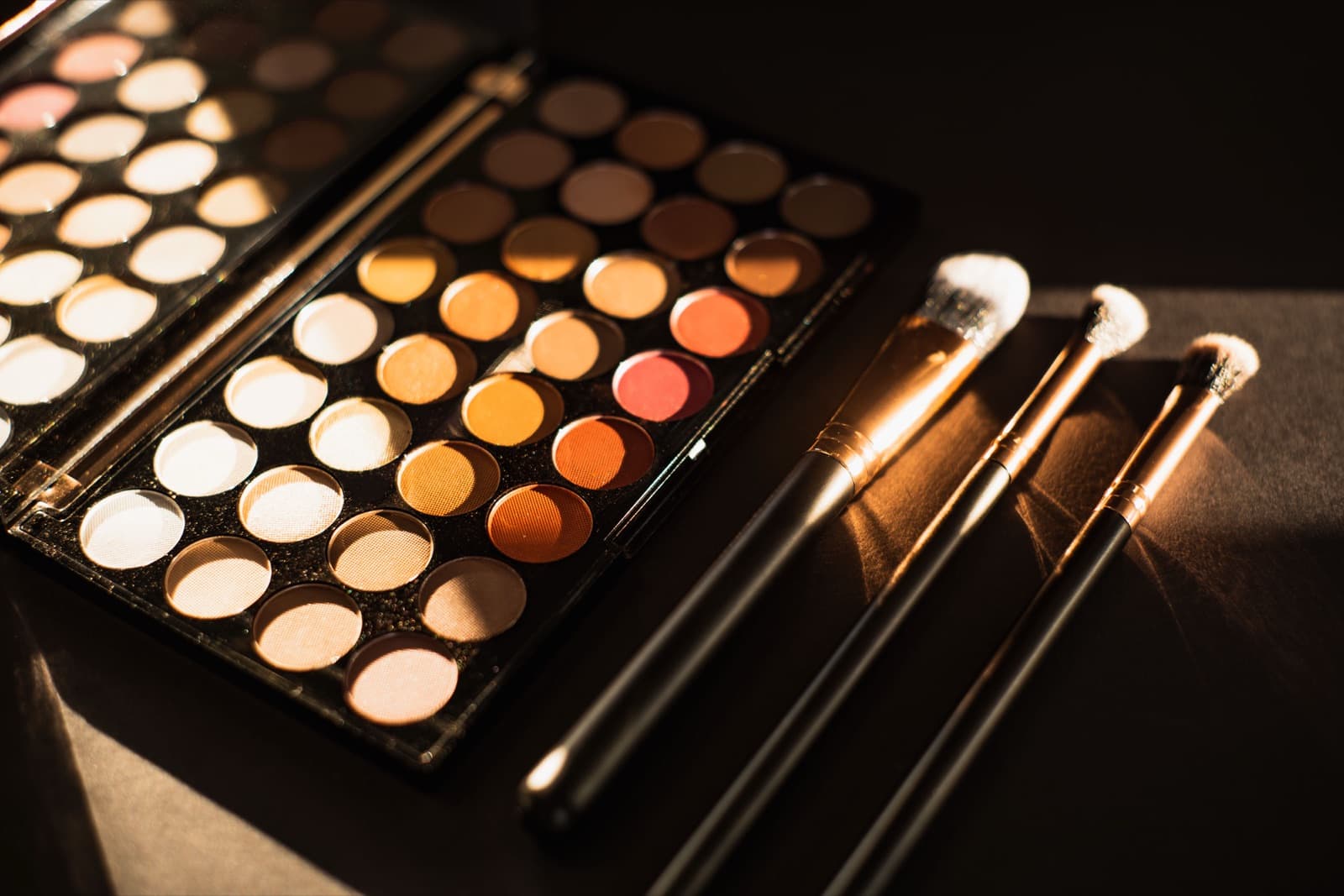
Jane Iredale Makeup Artists Preview Fall 2026 Looks at The Cosmetic Market's Nashville-Area Stores
Free appointments from Sept. 9 to 11 at the Cool Springs, Green Hills and Brentwood locations offer a first look at the brand's fall shades and a sheer SPF 40 tint.
US Beauty Award August 2026 Spotlight Honors Verified TOP Salons Across the United States
The US Beauty Award announces seven Verified TOP Salon recipients for August 2026, recognizing beauty establishments across six states for their commitment to quality, craftsmanship and client care.