Long Wait, No Service Confirmed, and a Manager's Dismissive Response at Epic Nails Bar
January 15, 2024

Photo: Photo: Pexels
A visit to Epic Nails Bar has become a useful case study in how wait time management and staff communication can shape a client's entire impression of a salon, sometimes more than the service itself. The client says she was initially told the wait would be about twenty minutes, agreed to stay, and was later seated for her pedicure even though the salon was short staffed and no one was available to help her. What followed offers several lessons worth reviewing with any front of house team.
Setting and Honoring a Wait Time Estimate
The client explains that after being quoted a twenty minute wait, she stepped outside, checked with another salon, and returned to find she could be seated. When she asked staff if they were sure they had time to help her, she says she was told yes. Once she sat down to soak her feet, however, no one asked which service or color she wanted, and she ended up waiting more than twenty additional minutes without anyone attending to her. Quoting a wait time is only useful if it reflects what staff can realistically deliver. When a salon is short staffed, it is better to say so upfront and offer the client the choice to wait longer or come back, rather than seating them and letting the wait stretch on without any update.
Keeping Clients Informed Once They Are Seated
Part of what made this experience frustrating, by the client's account, was the lack of any check in after she was seated. No one confirmed her service or color choice, and no one let her know that a delay was likely. A short, proactive update, even a quick "we're a bit behind, thank you for your patience," can make a real difference in how a wait is perceived. Clients are generally understanding about short staffing or unexpected delays; what tends to frustrate them is being left to guess what is happening.
Responding to a Frustrated Client
The turning point in this visit came when the client asked the manager how much longer she would need to wait, since no one had helped her. According to the client, the manager responded, "There was an accident and we can't help the wait, if you're not happy then leave." The client reasonably points out that a more effective response would have been something like an apology explaining that the salon could not accommodate her due to being short staffed. The difference between these two responses is not the underlying situation, which may well have been outside anyone's control, but the tone used to communicate it. A calm, apologetic explanation preserves the relationship even when a salon cannot deliver on time, while a dismissive comment tends to end it entirely.
Editorial Perspective
This visit offers a few clear takeaways for salon teams. First, wait time estimates should be realistic and revisited if staffing changes make them unworkable. Second, once a client is seated, proactive updates about delays go a long way toward managing their expectations. Third, when a client raises a concern, a calm and apologetic tone protects the salon's reputation far more effectively than a dismissive response, even when the underlying circumstances are genuinely out of the salon's control.
Comments
Loading comments…
Related Stories
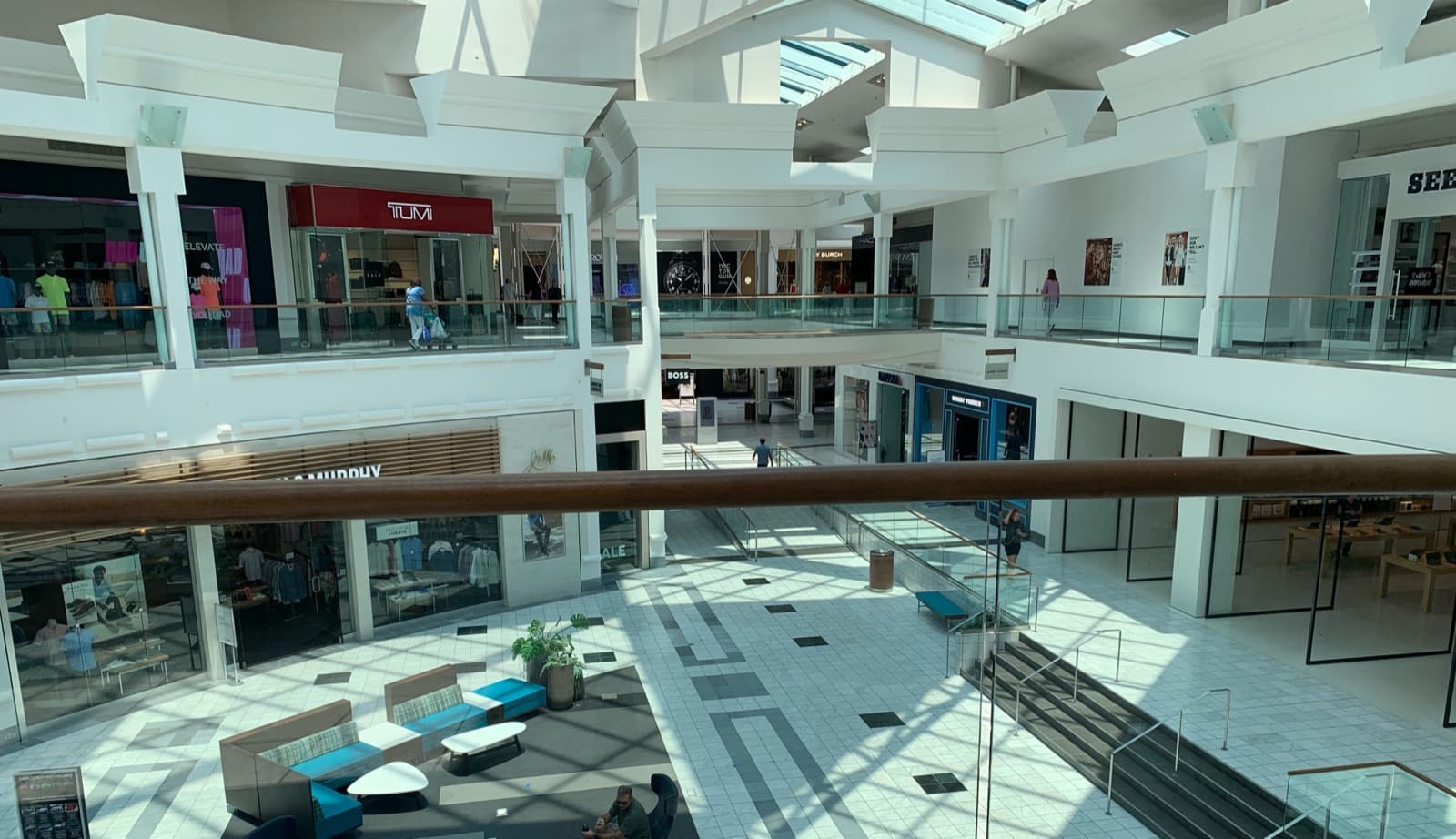
Dillard's Green Hills Hosts 'Sip and Shop' With a Dior Makeup Trend Show to Benefit the Horticultural Society
The Sept. 27 morning event at The Mall at Green Hills pairs vintage designer handbags with a Dior makeup trend presentation and benefits the Horticultural Society of Middle Tennessee.

Jane Iredale Makeup Artists Preview Fall 2026 Looks at The Cosmetic Market's Nashville-Area Stores
Free appointments from Sept. 9 to 11 at the Cool Springs, Green Hills and Brentwood locations offer a first look at the brand's fall shades and a sheer SPF 40 tint.

US Beauty Award August 2026 Spotlight Honors Verified TOP Salons Across the United States
The US Beauty Award announces seven Verified TOP Salon recipients for August 2026, recognizing beauty establishments across six states for their commitment to quality, craftsmanship and client care.